For full-time overlanders and veteran off-roaders, a shakedown isn’t about checking if the rig runs, it’s about optimizing a mobile ecosystem for high-stakes routing.
The 2026 Nomad Rally has officially cleared the starting gate, and Week 1 finds our teams scattering across the map in a fascinating display of strategic preparation. Because this year’s “Nomad class” is packed with veteran off-roaders, Rebelle alumni, and full-time overlanders, “getting ready” looks very different than it would for a novice pack.
Some of our full-time overlanders are already deep into multi-month cross-country trips, and many of our experienced off-roaders have had their rigs dialed for years. For these competitors, Week 1 isn’t about fixing oil leaks in the driveway; it’s a mental and logistical gear-shift into high-frequency competition mode. They are already getting out on local trails, hitting state parks, and locking down easy Photo Quest points to sharpen their workflows before the tracking windows tighten.
The Evolution of the Shakedown
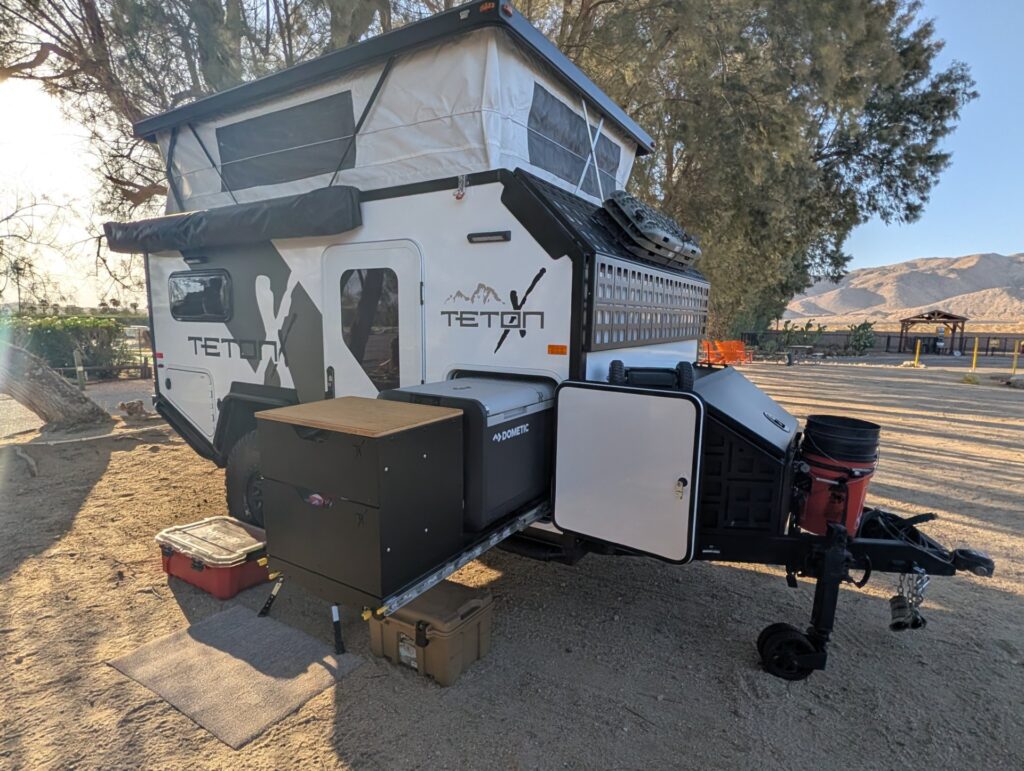
When an off-roader lives out of their vehicle or hits the rocks every weekend, their gear list is already second nature. However, moving from casual backcountry exploration to a structured, 10-week competitive matrix requires a highly specific optimization process.
Here are some of the things the top-tier teams are fine-tuning on the trail this week:
- The Point-of-Access Audit: In casual overlanding, a recovery strap or a tire-repair kit can sit deep in a storage drawer because there is no clock ticking. In a rally environment, teams are reorganizing their cargo space so that high-frequency gear can be deployed quikcly without unpacking the entire vehicle.
- The Power Cache & Cycle: Teams are stress-testing their auxiliary power loops. With communication gear, navigation tablets, and tracking units running simultaneously on long trail days, veteran teams are monitoring their alternator charge rates and lithium cell cycles to ensure zero phantom power drains during remote transits.
- Digital Data Isolation: Teams headed into the backcountry are confirming that high-resolution vector layers and topographic maps are completely cached for offline use. When cellular signals drop to zero in a remote canyon, a team’s digital navigation may rely entirely on data downloaded weeks in advance.
The Opening Gambits: Photo Quests & Local Trails
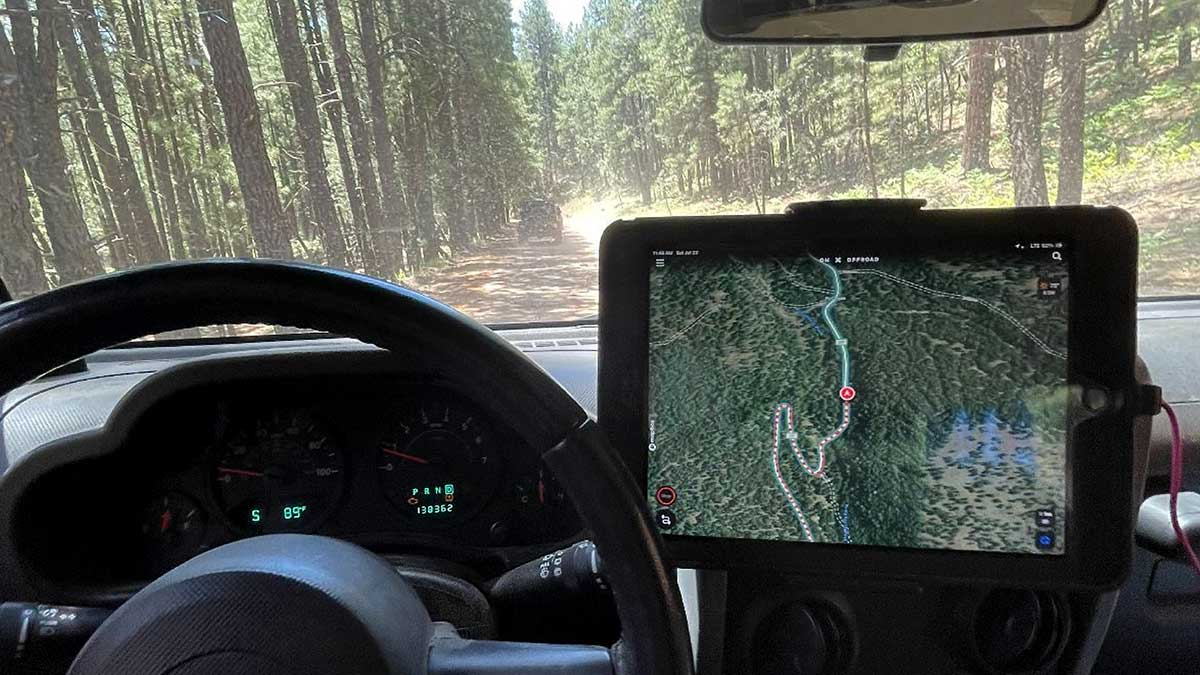
Week 1 gives us an early look at how the teams are handling the pressure of precise documentation. While veteran teams have their own “systems” in place, the rookies are just starting to figure that part out. The more strategic competitors have started banking points by identifying geographical landmarks, documenting what they find a long the way, and hitting nearby trails in search of Photo Quests.
These initial tasks serve a dual purpose. While they look like simple trail objectives to the public, they are actually forcing teams to run through their data-submission pipelines under field conditions. Ensuring that camera sensors capture sharp details in harsh midday sun and verifying that uploaded files maintain their location metadata are critical mini-disciplines that will pay massive dividends when the high-stress stages unlock.
The Strategic Outlook
Whether a team is currently navigating interstate transit miles or using local public lands to start checking off backcountry tasks, the objective of Week 1 remains uniform: eliminating cognitive friction. The teams who find their rhythm early, mastering their data workflows and refining their storage access while the stakes are still relatively low, are the ones who will set the pace when things get more complicated in later weeks.
The teams are on the move, the points are beginning to build, and the 5th Anniversary season is officially alive.
Rally Control Out. Check in on Monday to see how the Week 1 leaderboard takes shape.
Nomad Rally Highlights: Week Three
By the end of Week Three the Nomad Teams were navigating unpredictable mountain weather, solving complex navigation challenges and practicing responsible land stewardship…
Beyond the Dot: Ground Truth
Navigators must understand the landscape itself and determine whether the path shown on a screen truly reflects what exists on the ground…
Nomad Rally Highlights: Week Two
As Week Two of the 2026 Nomad Rally unfolded, the true scale of this multi-state adventure came into focus…